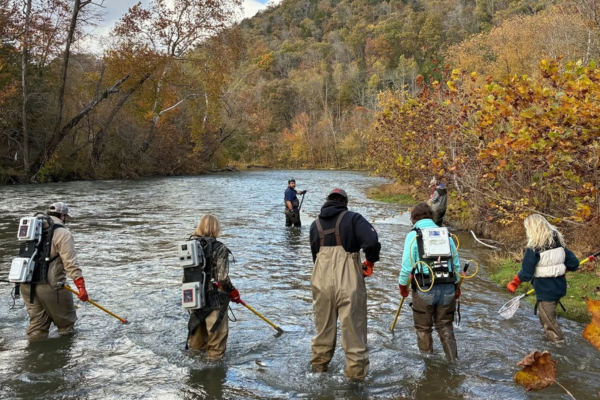
For the past decade, The Lincoln Memorial University-College of Mathematics, Sciences, and Health Professions’ (LMU-CMSHP) Conservation Biology program has used Appalachia as a living classroom, preparing students to understand, protect, and manage some of the nation's most diverse ecosystems.
As the program celebrates its 10th anniversary, faculty are reflecting on a decade of student success, hands-on research and a broader vision for conservation education that has positioned graduates to address environmental challenges across the region and beyond.
The Conservation Biology program launched in 2016, building on LMU's long-standing Wildlife Biology tradition. The transition coincided with the retirement of Dr. John Copeland, who led LMU's Wildlife Biology program for approximately 40 years and helped prepare generations of students for careers in wildlife and natural resource management.
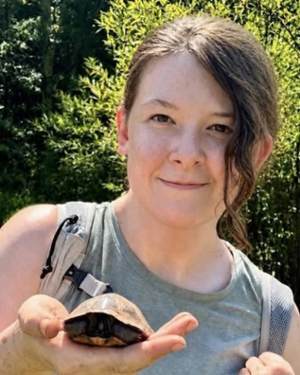 While rooted in that legacy, the new program embraced a different approach to conservation education.
Traditional wildlife biology programs often focus on the management of game species with courses centered on specific animal groups. LMU's Conservation Biology program adopted a broader, ecosystem-based philosophy that examines the relationships among wildlife, habitats, water resources, soils, climate, human activity, and environmental policy.
That shift mirrors the evolution of conservation science itself. Rather than focusing solely on individual species, students study entire ecosystems and the complex interactions that shape them.
"Serving Appalachia has always been central to LMU's mission," said Dr. Adam Rollins, dean of LMU-CMSHP. "The Conservation Biology program reflects that commitment by preparing students to understand, protect and steward the natural resources that define our region. Through this holistic program, our faculty have equipped students with the knowledge and experience to make a lasting impact on Appalachia and beyond."
The program's impact can be seen in the opportunities students pursue both during and after their time at LMU.
"The CBIO program has grown by leaps and bounds over the past decade," said Dr. Barbara Shock, chair of LMU Department of Biology and Chemistry. "Students receive hands-on, tailored educational experiences in the classroom, lab and field. Our students are increasingly competitive on a state and national level as evidenced by their success at LMU and after graduation."
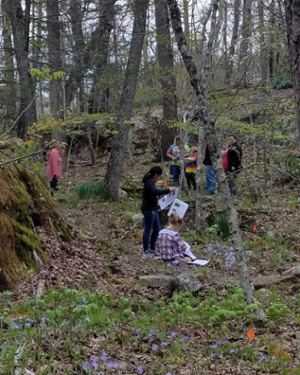 Located in the heart of Appalachia, LMU gives students direct access to one of the most ecologically significant regions in North America. Students conduct field research, biodiversity surveys, habitat assessments, and environmental monitoring projects while gaining firsthand experience with the conservation challenges facing the region.
The program's emphasis on experiential learning has helped students earn competitive internships, research opportunities and graduate fellowships while preparing them for careers in conservation, environmental science and natural resource management.
Through partnerships with organizations such as the Tennessee Wildlife Resources Agency, Cumberland Gap National Historical Park, and other regional conservation partners, students apply classroom knowledge to real-world challenges and contribute to ongoing conservation efforts throughout Appalachia.
As the program enters its second decade, faculty remain focused on preparing the next generation of conservation leaders. By combining scientific research, field experience and faculty mentorship, LMU continues to equip students with the skills needed to protect natural resources and steward ecosystems for future generations.
Lincoln Memorial University is a values-based learning community dedicated to providing educational experiences in liberal arts and professional studies. The main campus is in Harrogate, Tennessee. For more information about the undergraduate and graduate programs available at LMU, contact the Office of Admissions at 423-869-6280 or email at admissions@lmunet.edu.
