

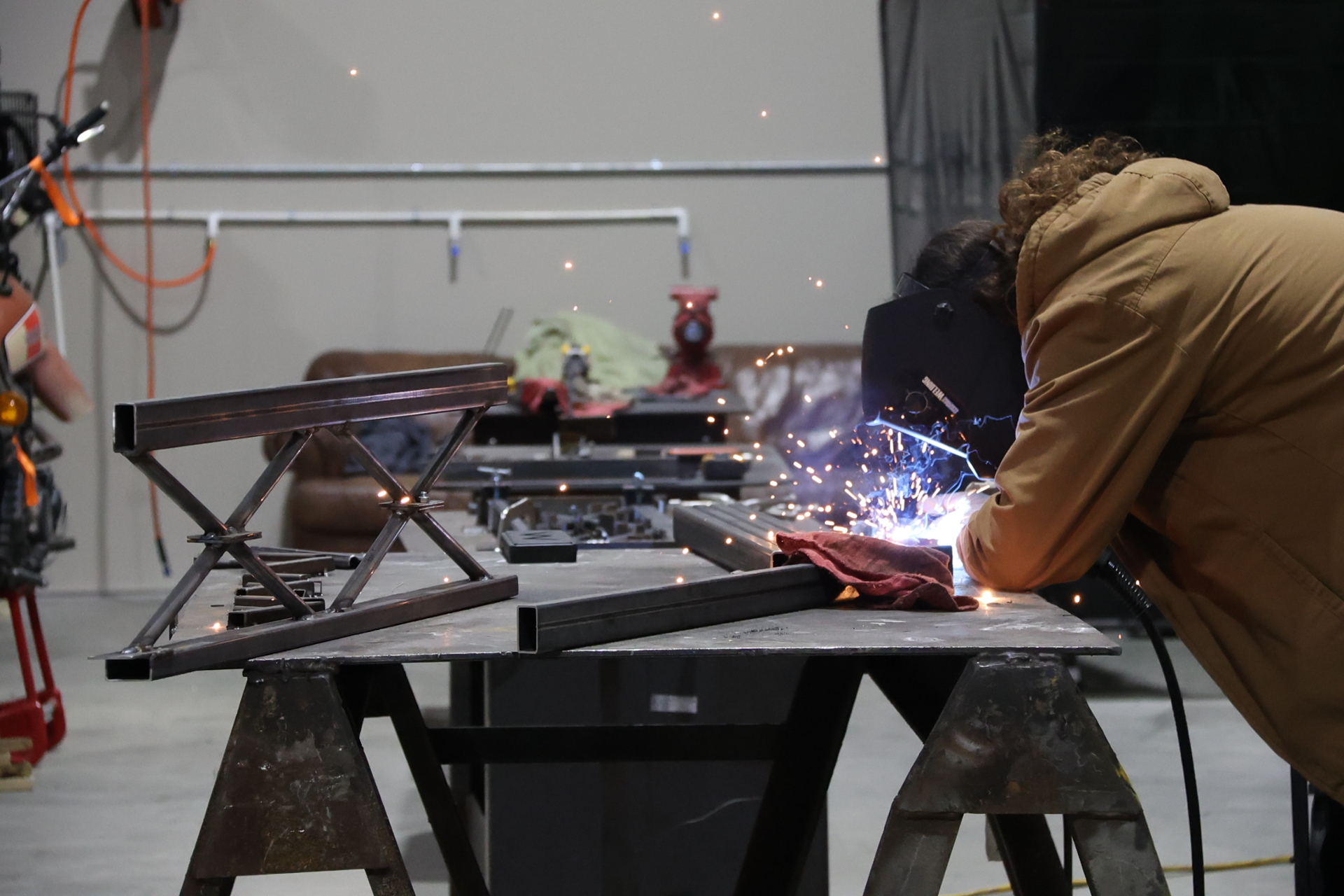
 LMU’s Civil Engineering program offers a focused, supportive environment where students learn directly from faculty in small classes and applied lab settings. The curriculum covers the core areas of civil engineering, including surveying, materials, structural analysis, transportation, water resources, and geotechnical engineering, with instructors guiding both the classroom and lab components for consistent, hands‑on learning. Students gain experience in LMU’s civil materials lab and through field exposure that shows how infrastructure is planned, tested, and built in real practice. The program is aligned with preparation for the FE exam and the path toward professional licensure, with clear communication about ABET expectations as the first cohorts progress. LMU’s size allows students to work closely with faculty, receive individualized advising, and access support for internships and co‑ops that lead directly into early career roles.