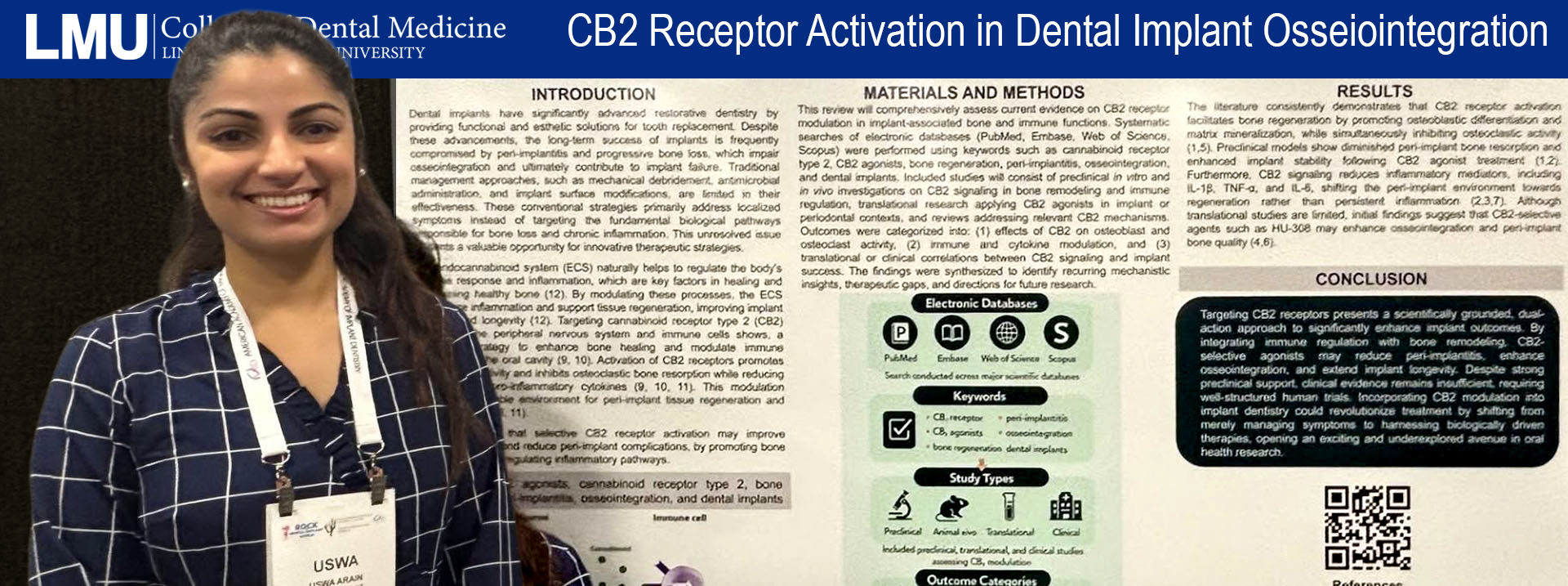

Brief Overview:
Integrity, encompassing honesty, accountability, and ethical conduct, is a cornerstone of the dental profession, essential for patient trust and safety. Despite its importance, academic dishonesty remains a pervasive issue in dental education globally. This review examines the prevalence, causes, and long-term career implications of academic dishonesty in dental education and explores institutional strategies to cultivate a culture of integrity.
Authors:
Kasula, A.; Zahran, G.; Munkhsaikhan, U.; Diaz, V.; Walker, M.; Johnson, C.; Lefevers, K.; Abidi, A.H.; & Kassan, M.
Journal: Dent J
Article Link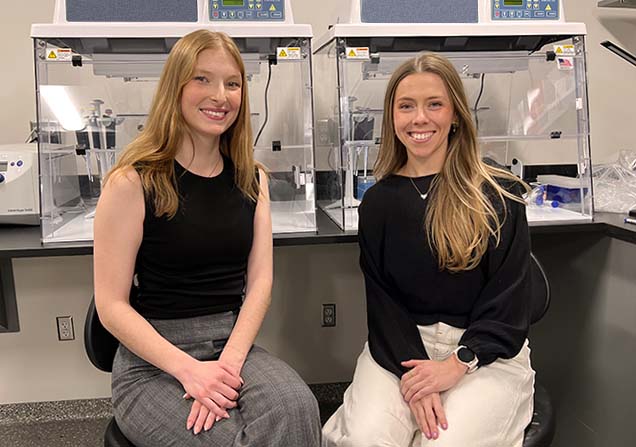
Brief Overview:
Colic remains one of the most frequent and costly causes of equine morbidity and mortality, with significant welfare and economic implications. Disturbances in the gut microbiome are increasingly recognized as an important contributing factor. In recent years, prebiotics, non-digestible substrates that promote beneficial microbes, have emerged as promising microbiome-targeted strategies. Akkermansia muciniphila (A. muciniphila) has gained attention for its unique ability to degrade mucin, maintain epithelial integrity, and exert potent anti-inflammatory effects. Although its benefits are well established in humans and rodent models, little is known about its abundance, function, and therapeutic potential in horses. This review evaluates current evidence on prebiotics and A. muciniphila in equine gut health and outlines their translational potential by examining biological mechanisms, feasibility of therapeutic application, and implications for equine colic prevention. Importantly, this review is intended as a hypothesis-generating synthesis rather than evidence of causality. Proposed mechanisms and therapeutic implications are based primarily on extrapolation from non-equine models and limited equine observational data, highlighting critical knowledge gaps and the need for controlled, hypothesis-driven studies in horses.
Authors:
Ashley Cottone, Keely Seiter, Brinley Thomas, Nathan Schank, Michelle Wulf, Lydia Miller, Stacy Anderson, Undral Munkhsaikhan, Ashutosh Verma, Ammaar H. Abidi, & Modar Kassan.
Journal: Animals
Article Link
Brief Overview:
Recent research has highlighted a link between osteoporosis and periodontitis, a chronic gum disease, as both conditions involve excessive bone loss that can lead to significant oral health problems if untreated. The growing interest in strategies to prevent bone loss has brought attention to butyrate, a short-chain fatty acid produced by gut bacteria during fiber fermentation. This review will explore the biological mechanisms through which butyrate influences bone health, aiming to highlight its potential therapeutic applications in preventing bone loss across these conditions.
Authors:
Steven Quintero, Karima Ait Aissa, Undral Munkhsaikhan, Amal M. Sahyoun, Ammaar H. Abidi, & Modar Kassan.
Journal: Biomed Pharmacother.
Article Link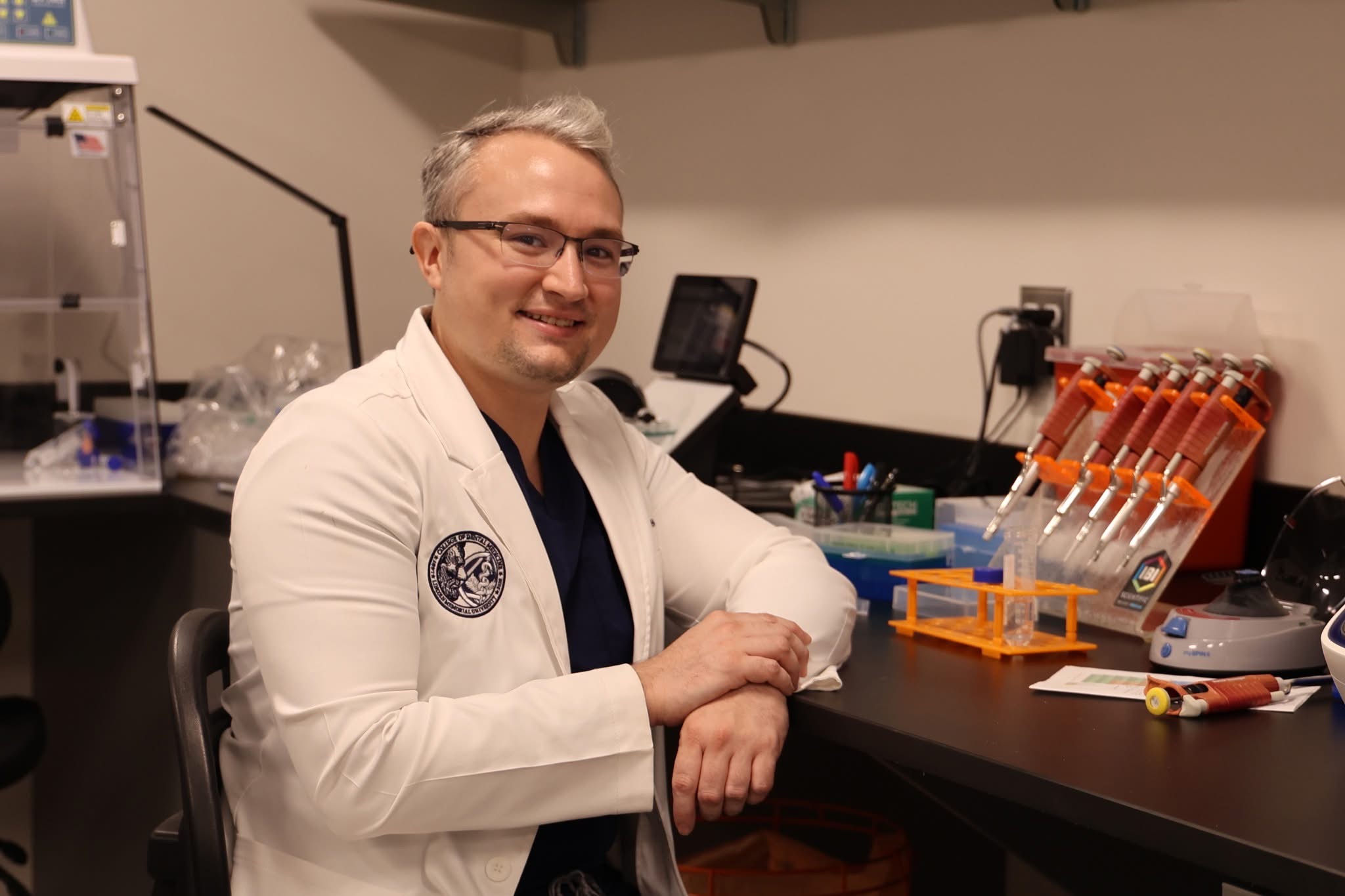
Brief Overview:
Bruxism is an involuntary condition involving grinding and clenching of the teeth, occurring during both wakefulness and sleep. This behavior can lead to various detrimental effects on oral health, including significant tooth wear and damage, temporomandibular disorders (TMD), tooth sensitivity, gum recession, and persistent headaches along with ear pain or tinnitus. The underlying causes of bruxism have long been debated, with the consensus suggesting that psychological, genetic, and environmental factors contribute to its development. Traditionally, the etiology of bruxism has been linked to stress, anxiety, malocclusion or dental misalignment, and other behavioral factors. However, recent research has begun to explore the potential role of oral microbiota in the pathophysiology of bruxism. Emerging studies propose that disruptions in the balance of oral bacteria may influence the onset and severity of bruxism, possibly by affecting inflammatory processes or neurological pathways related to muscle function. This literature review aims to explore this novel connection, summarizing key study findings, examining the implications for treatment, and evaluating the potential mechanisms by which oral microbiota may impact bruxism. Understanding this relationship could open new avenues for therapeutic strategies targeting microbial factors in managing bruxism.
Authors: Kyle Morris, Karima Ait Aissa, Amal M. Sahyoun, Qi Wang, Ammaar H. Abidi , and Modar Kassan.
Journal: Alzheimer’s & Dementia
Article Link 
Brief Overview:
Brief Overview:
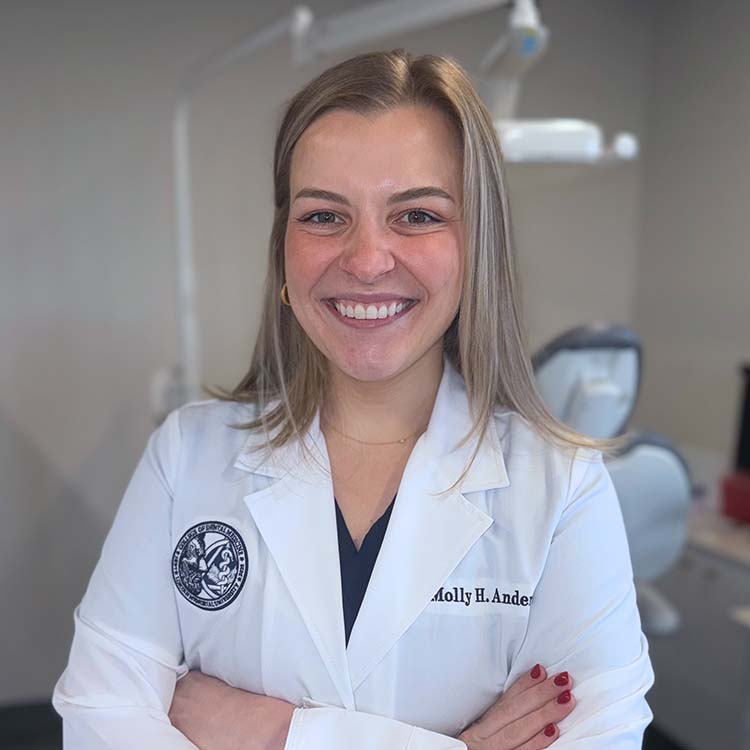
The oral microbiome is a diverse ecosystem containing a community of symbiotic, commensal, and pathogenic microorganisms. One key microorganism linked to periodontal disease (PD) is Porphyromonas gingivalis (P. gingivalis), a Gram-negative anaerobic bacterium known to have several virulence factors that trigger inflammation and immune evasion. On the other hand, Akkermansia muciniphila (A. muciniphila), a symbiotic bacterium, has been recently shown to play an important role in mitigating inflammation and reducing periodontal damage. In vivo and in vitro studies have shown that A. muciniphila decreases inflammatory mediators and improves immune responses, suggesting its role in mitigating PD and related inflammatory systemic conditions such as diabetes, hypertension, and obesity. This review discusses the anti-inflammatory effects of A. muciniphila, its impact on periodontal health, and its potential role in managing systemic diseases. The overall aim is to elucidate how this bacterium might help reduce inflammation, improve oral health, and influence broader health outcomes.
Authors:
Molly Anderson, Karima Ait Aissa, Amal M. Sahyou, Ammar H. Abidi, and Modar Kassan.
Journal: MPDI
Article Link